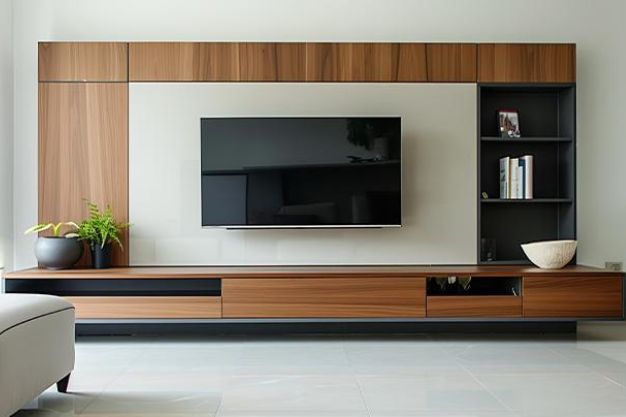

Design JournalModular Kitchen
A Modular Kitchen Layout That Supports Daily Flow
From cooking routines to storage zones, a good modular kitchen is designed around how you actually move through the space every day.
April 20265 min read
The best kitchens feel effortless because the layout was built around real life, not just visual styling.
Plan the work triangle first
The sink, hob, and refrigerator should be positioned to reduce unnecessary movement. Once that triangle works, pantry and accessory storage can be layered around it.
This is usually the difference between a kitchen that feels busy and one that feels effortless. When the key stations are placed correctly, the whole room becomes easier to maintain and far more enjoyable to use.
Let finishes support maintenance
A beautiful kitchen still has to be practical. Matte laminates, easy-clean shutters, and durable countertop choices are essential if the space is used daily.
We also think about how light reflects off the surface, how often the shutters will be touched, and how cleaning routines work in real homes so the kitchen remains beautiful after years of use.
Storage should follow habits
The most effective modular kitchens are planned around actual habits. Heavy utensils, daily dishes, snacks, and appliances should each have their own zone so the room supports the family’s rhythm instead of fighting it.
When storage planning is done well, cooking feels lighter, counters stay cleaner, and the room naturally holds its order without constant effort.
More Stories
Continue reading
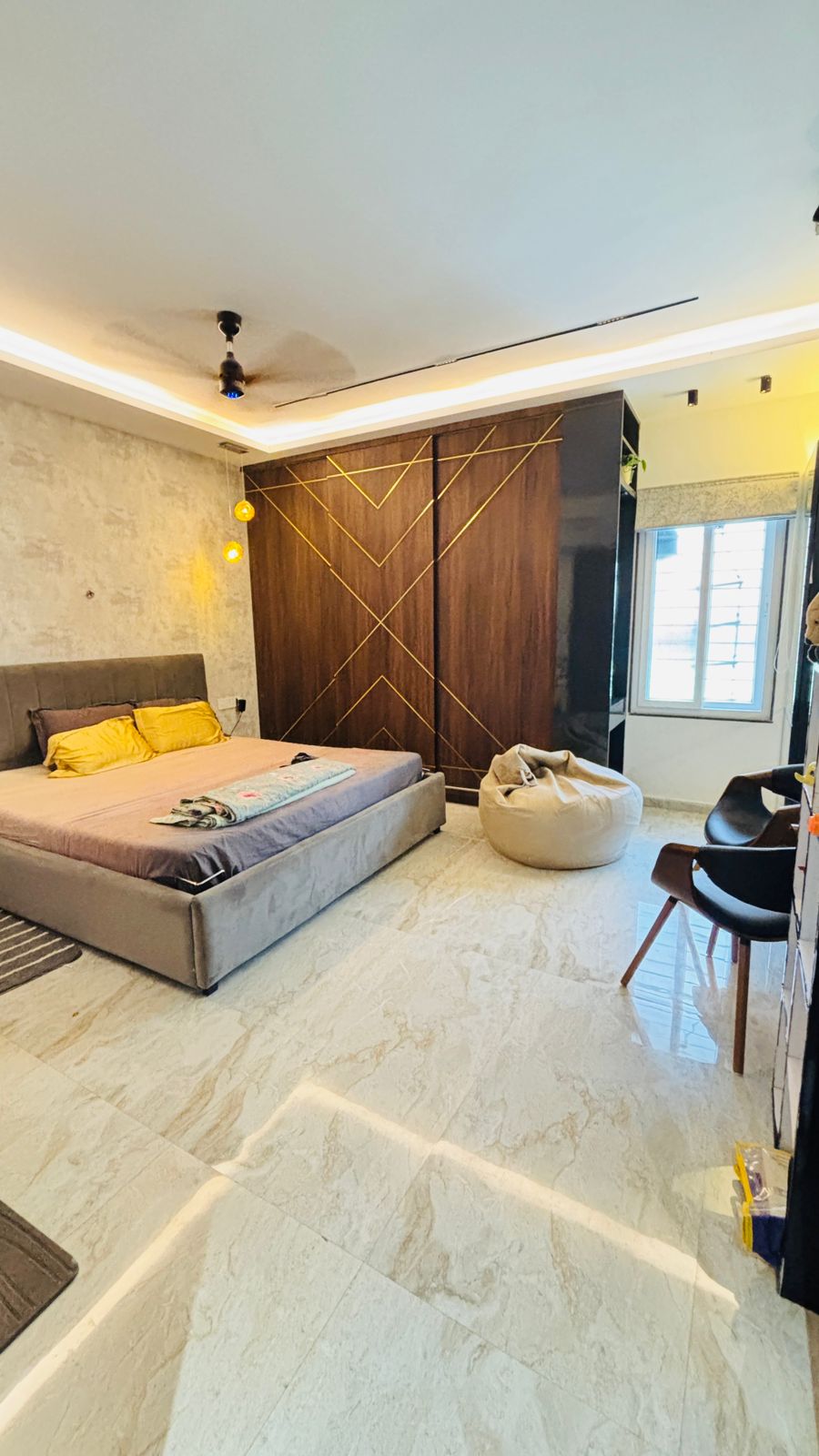
Master Bedroom
Designing a Master Bedroom That Feels Like a True Retreat
A calm bedroom starts with balance. Learn how wardrobe planning, ceiling layers, and material choices can make a master suite feel larger and more restful.

Wardrobe Design
Sliding vs Hinged Wardrobes: How to Choose the Right Format
Both formats can look premium, but they solve different problems. Here's how we help clients choose between space-saving sliders and classic hinged shutters.
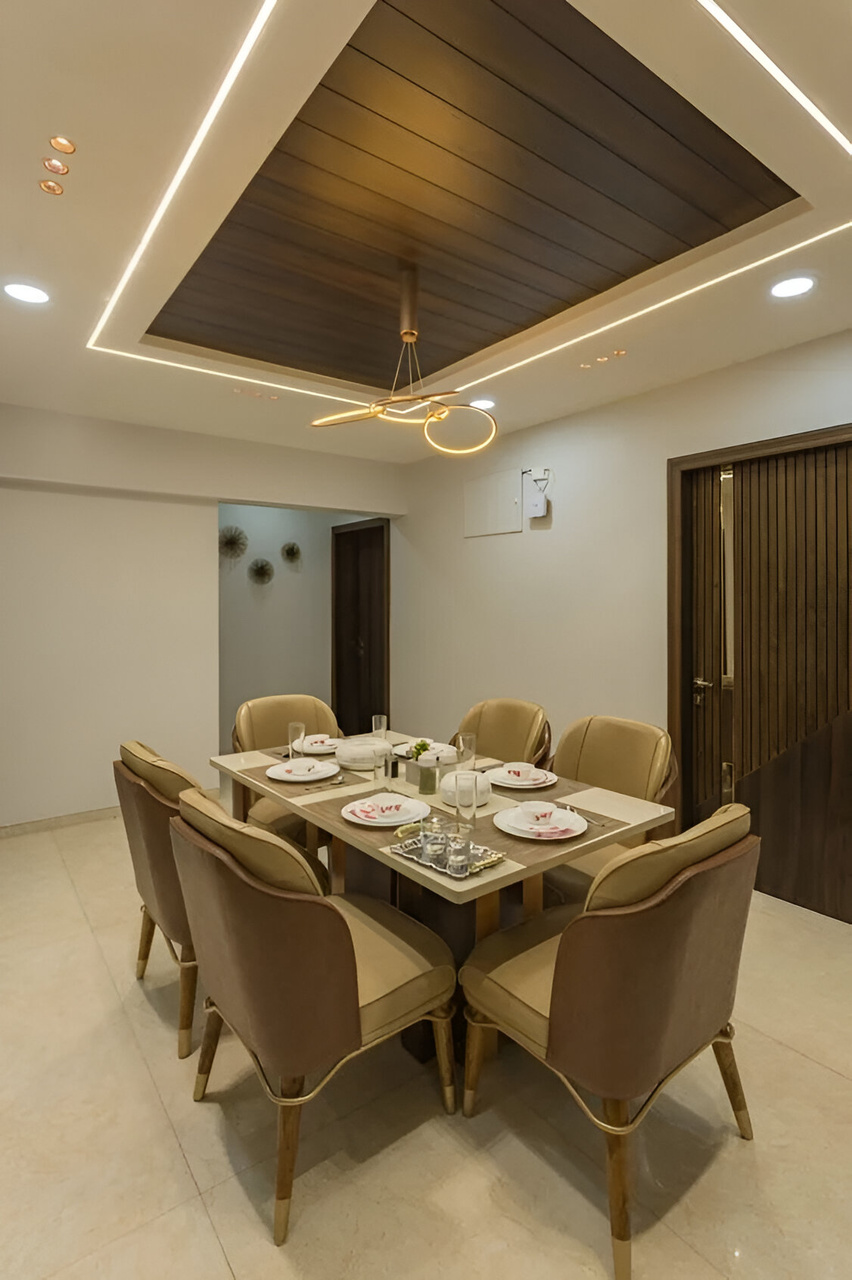
False Ceiling
Lighting Layers That Change the Mood of Every Interior
Lighting is not an accessory. It is the layer that ties the entire room together, from ceiling detailing to shelves, niches, and display corners.